Training your dog to avoid chewing household items might seem intimidating, but it's achievable with some patience and strategy. You've likely noticed that dogs chew for various reasons, and understanding these triggers is key. Start by observing your dog's behavior to identify specific triggers, then introduce appropriate chew toys as alternatives. Consistent use of simple commands and immediate positive reinforcement can work wonders. But how do you maintain this training across different household environments and guarantee everyone is on the same page? There's more to explore in creating a harmonious home where your dog knows exactly what's expected.
Understanding Why Dogs Chew
When it comes to understanding why dogs chew, it's important to start with their natural instincts. Chewing is a fundamental behavior that stems from their ancestry. In the wild, dogs would chew to explore their environment, keep their teeth clean, and alleviate stress. Your dog's chewing is an expression of these ingrained habits. It's not just about destruction; it's a way for them to learn and interact with their surroundings.
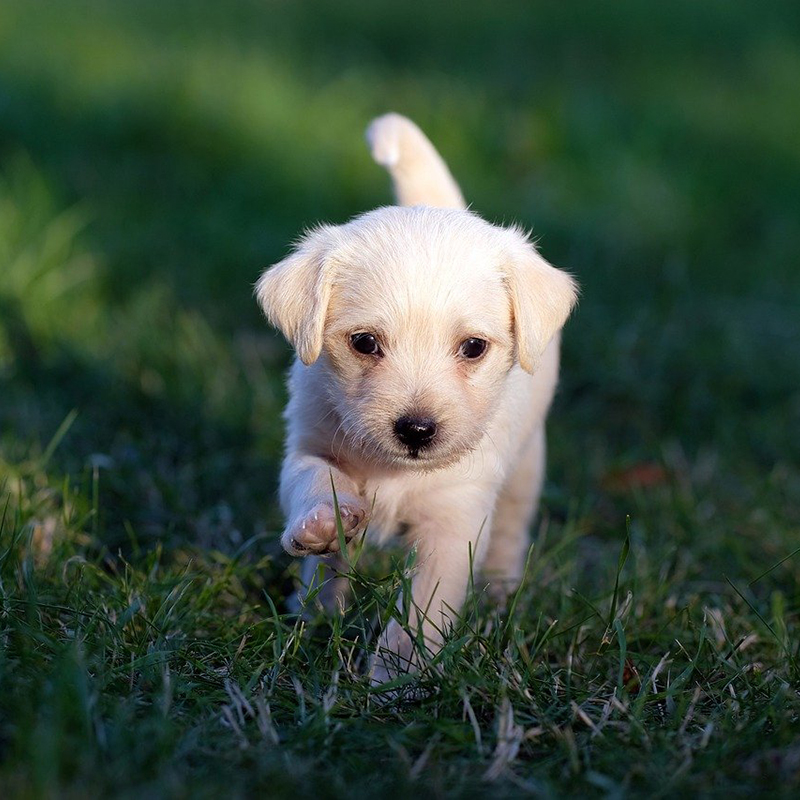
You might notice that puppies chew more often. This is because they're teething, much like human babies. Chewing helps relieve the discomfort in their gums.
Adult dogs chew too, though. It's a way for them to keep their jaws strong and their teeth clean. Chewing is also mentally stimulating, providing an outlet for your dog's energy.
Sometimes, dogs chew out of boredom or anxiety. If they're left alone for long periods without adequate mental or physical stimulation, they might resort to chewing as a form of entertainment or stress relief.
Understanding these natural instincts can help you manage your dog's chewing behavior. By acknowledging why your dog chews, you're better equipped to guide them towards more acceptable chewing habits.
Identifying Chewing Triggers
Pinpointing what prompts your dog to chew can be a game-changer in managing this behavior. Start by observing when and where your dog tends to chew. Is it during certain times of the day or in specific areas of your home?
Stress, boredom, or lack of exercise are common triggers for chewing. If your dog's left alone for long stretches, they might chew to relieve anxiety or pent-up energy.
Pay attention to changes in their environment. New people, pets, or even rearranged furniture can be unsettling, leading to chewing as a coping mechanism.
Also, consider your dog's age and breed. Puppies naturally chew as they teethe, while some breeds are more prone to chew due to their high energy levels or working instincts.
Take note of what items your dog frequently targets. Are they going for shoes, furniture, or electrical cords? These choices might indicate a texture preference or a need for mental stimulation.
Understanding these patterns can help you address the root cause. Keep an eye out for any signs of dietary deficiencies, as some dogs chew unusual items to compensate for a lack of nutrients.

Identifying these triggers is essential in creating an effective training plan.
Providing Appropriate Chew Toys
To effectively redirect your dog's chewing behavior, it's important to provide them with appropriate chew toys. Chew toys can satisfy your dog's natural urge to chew, keeping their teeth healthy and their mind stimulated.
Start by choosing toys made from durable materials like rubber or nylon, as these withstand aggressive chewing. Look for toys specifically designed for your dog's size and chew strength to guarantee safety and effectiveness.
Introduce a variety of textures and shapes to keep your dog engaged. For instance, toys with nubs or grooves can help clean their teeth, while toys that can be stuffed with treats or peanut butter offer added mental stimulation.
Rotate the toys regularly to maintain your dog's interest and prevent boredom.
When selecting chew toys, consider your dog's preferences. Some dogs enjoy squeaky toys, while others prefer something they can gnaw on quietly. Observe their reactions and adjust the selection accordingly.
Always supervise your dog with new toys to make sure they don't break them into small, swallowable pieces.
Training Techniques and Commands
Training your dog effectively hinges on consistency and patience. Begin by choosing clear, simple commands like "leave it" or "no chew" to address unwanted chewing. Use these commands consistently every time you catch your dog in the act.
Timing is essential; make sure you correct the behavior immediately so your dog links the action with the command. Reinforce the commands with a firm, but not harsh, tone to convey seriousness.
Positive reinforcement plays a significant role in training. Reward your dog with treats or praise when they obey commands or choose appropriate chew toys. This positive association encourages them to repeat good behaviors.
Remember, consistency in rewards is as important as consistency in commands.
Practicing redirection can also help. When you see your dog chewing something they shouldn't, calmly guide them to a suitable toy. Firmly say "leave it" and then offer the toy, praising them when they accept it. This teaches your dog which items are acceptable for chewing.
Finally, practice short, frequent training sessions to avoid overwhelming your dog. With patience and persistence, your dog will learn to resist the temptation to chew on household items.
Creating a Chew-Free Environment
A key step in creating a chew-free environment is to identify and remove potential temptations within your living space. Start by surveying each room to locate items that might attract your dog's attention, like shoes, children's toys, or remote controls. Once identified, store these items in secure locations such as closets, cabinets, or high shelves. This not only prevents chewing but also keeps your home tidy.
Next, assess your furniture and household decor. Consider using bitter sprays on furniture legs, cushions, or other surfaces your dog might find appealing. This taste deterrent can be an effective way to make these items less attractive to chew. Additionally, investing in furniture covers or protective films can help minimize damage.
Don't forget about electrical cords and cables. Make sure they're out of reach by tucking them behind furniture or using cord organizers. For cords that can't be moved, protective covers or tubing can prevent any unwanted nibbling.
Finally, provide your dog with plenty of appropriate chew toys. Having suitable alternatives readily available will reduce the likelihood of them targeting household items. By creating an environment that's free from temptations, you can set your dog up for success in avoiding chewing mishaps.
Consistency and Positive Reinforcement
To effectively train your dog, you need to establish clear boundaries that they can understand and follow.
Consistently rewarding desired behavior with treats or praise reinforces these boundaries and encourages your dog to repeat good actions.
Establish Clear Boundaries
When you're training your dog, establishing clear boundaries is essential for effective communication and fostering good behavior. Start by defining which areas of your home are off-limits. For example, decide if there are rooms or specific pieces of furniture your dog shouldn't access. Use baby gates or closed doors to reinforce these boundaries physically. Guide your dog with a firm "no" or "leave it" whenever they approach off-limit areas.
Consistency is key. Everyone in your household must be on the same page, enforcing the same rules. If one person lets the dog on the couch while others don't, it will confuse your pet, making it harder for them to understand what's acceptable.
Be patient but persistent—dogs learn best when they receive the same message over time. Incorporate positive reinforcement to encourage boundary respect. Praise and pet your dog when they choose to stay away from restricted areas. This builds an association between good behavior and positive outcomes.
Reward Desired Behavior
Establishing clear boundaries sets the stage for rewarding desired behavior through consistency and positive reinforcement. When your dog chooses a toy instead of your favorite shoes, it's essential to acknowledge this choice immediately. Use treats, praise, or a quick belly rub to show them they've made dog trainers the right decision. Your immediate response helps them associate the behavior with positive outcomes, reinforcing their good choices.
Consistency is key. Every time your dog exhibits the desired behavior, you must reinforce it. If you occasionally overlook it, your dog might get confused about what's expected. Make sure everyone in the household is on the same page. If one person rewards a behavior and another ignores it or reacts negatively, your dog will be unsure about what to do.
Positive reinforcement can take many forms. While treats are effective, verbal praise and affection also work wonders. Experiment to see what motivates your dog the most. Some dogs are highly food-driven, while others might prefer your attention or a fun game.
Tailor the rewards to fit your dog's preferences and keep them engaged and motivated to maintain good behavior.